Prediksi Finale Attack on Titan: Mengungkap Makna di Balik Lagu Insert yang Terlupakan

saintgeorgesflushing.org – Seiring berakhirnya salah satu anime paling ikonik abad ini, Attack on Titan, para penggemar dan analis anime menyadari bahwa salah satu lagu insert dari seri ini memiliki makna yang jauh lebih dalam daripada yang pernah mereka bayangkan. Lagu ini tampaknya telah memprediksi elemen-elemen kunci dari finale Attack on Titan, menciptakan lapisan baru dalam memahami bagaimana cerita ini ditutup. Artikel ini akan mengungkap makna di balik lagu insert yang terlupakan dan bagaimana lagu tersebut seolah menjadi petunjuk rahasia menuju akhir cerita.

Dalam dunia anime, lagu insert sering kali digunakan untuk menambahkan kedalaman emosional atau menekankan tema tertentu dalam cerita. Namun, tidak semua lagu insert mendapatkan perhatian yang sama. Salah satu lagu insert dari Attack on Titan yang jarang dibicarakan adalah “The Path of the Titans”, yang muncul pada episode pertengahan musim. Lagu ini tidak hanya menciptakan suasana yang kuat, tetapi juga menyimpan pesan-pesan tersembunyi yang baru kini mulai dipahami.

Lagu “The Path of the Titans” memiliki lirik yang ambigu dan penuh makna simbolis. Lirik seperti “Jalan yang kita pilih adalah bagian dari nasib yang tertulis” dan “Di bawah langit yang sama, kita terhubung oleh darah” ternyata bukan hanya metafora emosional, tetapi juga menggambarkan konflik dan hubungan yang berkembang di akhir cerita.

prediksi-finale-attack-on-titan-mengungkap-makna-di-balik-lagu-insert-yang-terlupakan

Penting untuk mencatat bahwa lirik ini merujuk pada tema-tema utama dari Attack on Titan, seperti nasib yang tak terhindarkan dan hubungan darah yang mengikat karakter-karakter utama. Dengan retrospect, lagu ini seolah memberikan petunjuk awal mengenai peran penting yang akan dimainkan oleh garis keturunan dan konflik internal yang membentuk puncak cerita.

Sebagai pengantar menuju finale, “The Path of the Titans” berbicara tentang konsep “jalan yang ditentukan” yang sangat relevan dengan perkembangan cerita akhir. Lagu ini menggambarkan perjalanan karakter-karakter utama yang akhirnya harus berhadapan dengan kenyataan yang tak terhindarkan.

Misalnya, dalam episode terakhir, konsep jalan takdir yang dinyanyikan dalam lagu ini terwujud saat Eren Yeager dan karakter lainnya menghadapi pilihan sulit yang mencerminkan tema-tema tentang kebebasan dan penebusan. Lagu ini secara tidak langsung memvisualisasikan kesimpulan cerita di mana karakter-karakter harus menghadapi konsekuensi dari keputusan mereka sendiri dan keputusan yang telah ditentukan oleh nasib mereka.

Saat finale Attack on Titan dirilis, banyak penggemar yang mulai kembali menilai lagu insert ini dan mencari koneksi antara lirik dan elemen akhir cerita. Forum-forum dan komunitas penggemar telah aktif berdiskusi tentang bagaimana lagu ini, yang awalnya mungkin dianggap sebagai tambahan, ternyata memainkan peran kunci dalam memperdalam pemahaman mereka tentang cerita.

prediksi-finale-attack-on-titan-mengungkap-makna-di-balik-lagu-insert-yang-terlupakan

Para penggemar menemukan bahwa lirik lagu ini tidak hanya menambah lapisan emosi, tetapi juga memberikan wawasan tentang bagaimana elemen-elemen yang tampaknya tidak signifikan menjadi bagian penting dari narasi keseluruhan. Hal ini membuat lagu tersebut menjadi bahan diskusi dan analisis yang menarik di kalangan komunitas penggemar.

Lagu insert “The Path of the Titans” dalam Attack on Titan yang awalnya terlupakan, ternyata menyimpan makna dan prediksi yang mendalam mengenai akhir cerita. Dengan lirik yang menggambarkan tema-tema nasib, hubungan darah, dan konflik yang tak terhindarkan, lagu ini memberikan panduan awal mengenai bagaimana akhir cerita akan berkembang. Dalam retrospect, lagu ini menjadi simbol penting yang menambah kedalaman dan makna dari keseluruhan narasi Attack on Titan, membuktikan bahwa bahkan elemen-elemen kecil dalam sebuah cerita dapat memiliki dampak yang besar dalam membentuk pemahaman kita tentang keseluruhan cerita.

Strategies for Coping with Grief: Navigating the Pain of Pet Loss

saintgeorgesflushing.org – The bond between a pet and their human is profound and unique. Pets are not just animals; they are family members, confidants, and sources of unconditional love. The loss of a pet, therefore, is a significant loss that can trigger a deep sense of grief and sorrow. It’s important to recognize and validate these feelings, understanding that the grief process is personal and can vary greatly from one individual to another.

The Stages of Grief in Pet Loss

Grief is often described in stages, though it’s essential to note that these stages are not linear and can overlap. The five stages of grief, as outlined by Elisabeth Kübler-Ross, include denial, anger, bargaining, depression, and acceptance. When coping with the loss of a pet, you might find yourself experiencing these stages in different orders or intensities. Allowing yourself to feel and process these emotions is crucial to healing.

Creating a Memorial for Your Pet

Creating a memorial for your pet can be a therapeutic way to honor their memory and celebrate their life. This could be as simple as a photo album, a dedicated shelf with their favorite toys, or a more elaborate garden stone or plaque. The act of memorializing your pet can provide a sense of closure and a focal point for your grief.

Seeking Support from Others

It’s important to seek support from friends, family, and pet loss support groups. Sharing your feelings with others who have experienced similar losses can be incredibly comforting. Sometimes, people may not understand the depth of your grief, especially if they view pets as mere animals. Seeking out those who do understand can provide a supportive network during this difficult time.

Taking Care of Yourself

Grieving can be physically and emotionally exhausting. It’s crucial to take care of yourself by eating well, getting enough sleep, and engaging in physical activity. Consider incorporating mindfulness practices such as meditation or yoga to help manage stress and anxiety. Remember that self-care is not selfish; it’s essential for healing.

When to Seek Professional Help

If your grief becomes overwhelming or if you find yourself unable to perform daily activities, it may be time to seek professional help. A therapist or counselor who specializes in pet loss can provide strategies to cope with your grief and help you navigate through your emotions.

Considering the Future

When the time feels right, consider opening your heart to another pet. While no new pet can replace the one you’ve lost, many find that the love and companionship of a new furry friend can be a source of healing and joy. Remember that this decision should be made when you feel ready and not out of a sense of obligation or pressure.

Conclusion

Coping with the loss of a beloved pet is a journey that takes time. Allow yourself to grieve, seek support, and take care of your well-being. Remember that it’s okay to seek professional help if needed. With time and self-compassion, you can find a way to honor the memory of your pet while moving forward in your own healing process.

Animals That Thrive in Groups: The Social Synergy

saintgeorgesflushing.org – In the vast tapestry of the animal kingdom, a fascinating array of species has evolved to thrive not in solitude, but in the company of their kin. These animals have developed intricate social structures that not only ensure their survival but also enrich their existence. From the depths of the ocean to the peaks of mountains, the social synergy among these creatures is a testament to the power of unity and cooperation. This article delves into the lives of some of these group-oriented animals, exploring the dynamics and benefits of their collective lifestyles.

The African Lion: Pride and Power

The African lion, often referred to as the “king of the jungle,” epitomizes the strength found in numbers. Lions live in groups known as prides, which typically consist of several adult females, their cubs, and a few adult males. This social structure provides numerous advantages. The pride system ensures that cubs are well-protected and that hunting is more efficient, with lions often working together to bring down larger prey. Moreover, the communal raising of cubs ensures that all members of the pride contribute to the next generation’s survival, fostering a strong sense of unity and cooperation.

The Wolf: Pack Mentality and Hierarchy

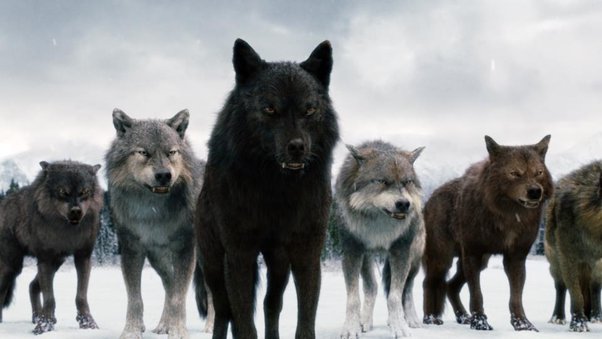
Wolves are another prime example of animals that thrive in groups. Living in packs, wolves have developed a complex social hierarchy known as a “pack order.” This hierarchy is led by an alpha pair, who are responsible for making decisions for the pack. The pack order ensures that every member knows their role, which is crucial for hunting, raising pups, and defending their territory. Wolves communicate through a variety of vocalizations, body language, and scent marking, which helps maintain the cohesion and functionality of the pack.

The Emperor Penguin: Community in Adversity

In the harsh climate of Antarctica, Emperor Penguins have evolved a remarkable social strategy to survive. During the breeding season, they huddle together in large groups to conserve heat and protect their eggs from the freezing temperatures. This communal huddling not only keeps the penguins warm but also creates a safe environment for the incubation of their eggs. The Emperor Penguin’s reliance on social synergy is a poignant example of how cooperation can overcome even the most daunting environmental challenges.

The Meerkat: Teamwork for Survival

Meerkats, small mammals native to the Kalahari Desert, are known for their cooperative behavior. Living in groups called “mobs,” “gangs,” or “clans,” meerkats work together for foraging and protection. While some members of the group stand guard, looking out for predators, others dig for food. If danger is spotted, a sentinel meerkat issues an alarm call, allowing the group to take cover. This division of labor ensures that the entire clan is well-fed and safe, highlighting the efficiency of teamwork in survival.

Conclusion

The social synergy observed in these animals is a fascinating aspect of the natural world. It demonstrates that cooperation and social cohesion are not exclusive to humans but are fundamental strategies for survival and success across the animal kingdom. From the roars of lions on the African savannah to the huddles of penguins in Antarctica, the stories of these animals remind us of the strength found in unity and the richness that comes from living in harmony with others. As we continue to explore the depths of animal behavior, the lessons of social synergy offer valuable insights into the importance of community, cooperation, and collective action in the face of life’s challenges.

The great Journey of Monarchs: Secrets of Butterfly Migration

The migration of monarch butterflies is one of nature’s most awe-inspiring phenomena, a journey that spans thousands of miles and multiple generations. Each year, these delicate creatures embark on a perilous odyssey, driven by an innate navigational system that guides them from the United States and Canada to the oyamel fir forests of central Mexico and the coastal groves of California. This article delves into the remarkable journey of monarch butterflies, exploring the science behind their migration, the challenges they face, and the conservation efforts aimed at protecting this iconic species.

The Migratory Path:
The monarch migration is a cycle that begins in late summer and early fall, as the butterflies born in the northern regions of the United States and Canada start their southward journey. These monarchs are not the same individuals that will complete the trip; instead, they are part of a relay that spans generations. It takes up to three generations of monarchs to complete the full migration, with each generation living only a few weeks before laying eggs for the next.

The monarchs use a combination of the sun’s position, the Earth’s magnetic field, and landmarks to navigate their way south. They fly during the day and roost at night, covering distances of up to 100 miles per day. The journey is fraught with dangers, including predators, storms, and exhaustion, yet the monarchs are remarkably resilient.

The Overwintering Sites:
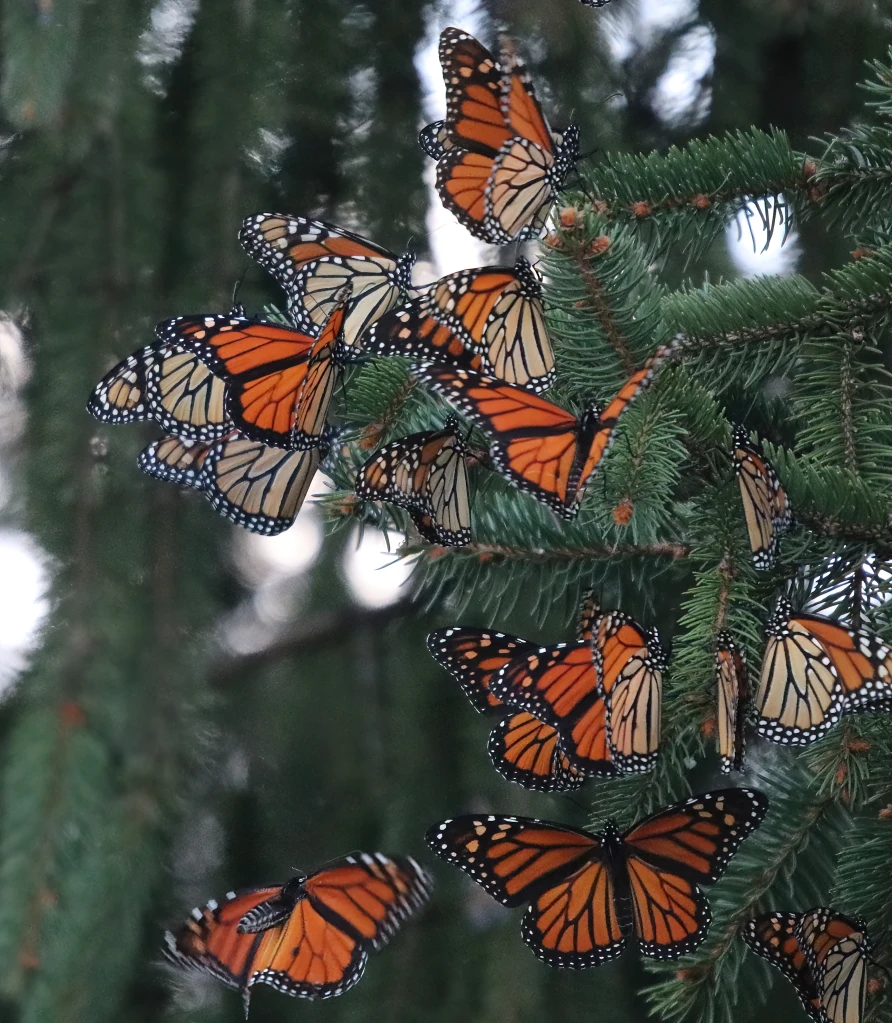
After a grueling journey, the monarchs arrive at their overwintering sites. In Mexico, they cluster in the high-altitude oyamel fir forests, where millions of butterflies can cover the trees, creating a breathtaking spectacle. In California, they gather in groves along the coast, where they form dense clusters on tree branches. These sites are critical for the monarchs’ survival, offering protection from the elements and predators.

The Return Migration:
In the spring, the monarchs begin their northward journey. The butterflies that leave the overwintering sites are not the same ones that arrived the previous fall; they are the offspring of those original migrants. These new generations will lay eggs along the way, with the final generation reaching the northern breeding grounds. The cycle then repeats, with the next generation beginning the southward migration in the fall.

Conservation Challenges:
The monarch butterfly’s migration is under threat from habitat loss, climate change, and the use of pesticides. The destruction of milkweed, the plant on which monarchs lay their eggs and on which their larvae feed, is a significant concern. Additionally, the oyamel fir forests in Mexico are under pressure from logging and development. Conservation efforts are underway to protect the monarch’s habitat, including the establishment of protected areas and the promotion of milkweed planting.

Conclusion:
The migration of monarch butterflies is a testament to the wonders of nature and the resilience of life. It is a journey that has captivated scientists and nature enthusiasts alike, inspiring awe and a sense of stewardship for the natural world. As we continue to learn from and protect the monarchs, we are reminded of the interconnectedness of all life on Earth and the importance of preserving the habitats that support such remarkable phenomena. The monarch’s migration is not just a journey across continents; it is a journey through time, a living legacy that connects generations of butterflies and people alike.