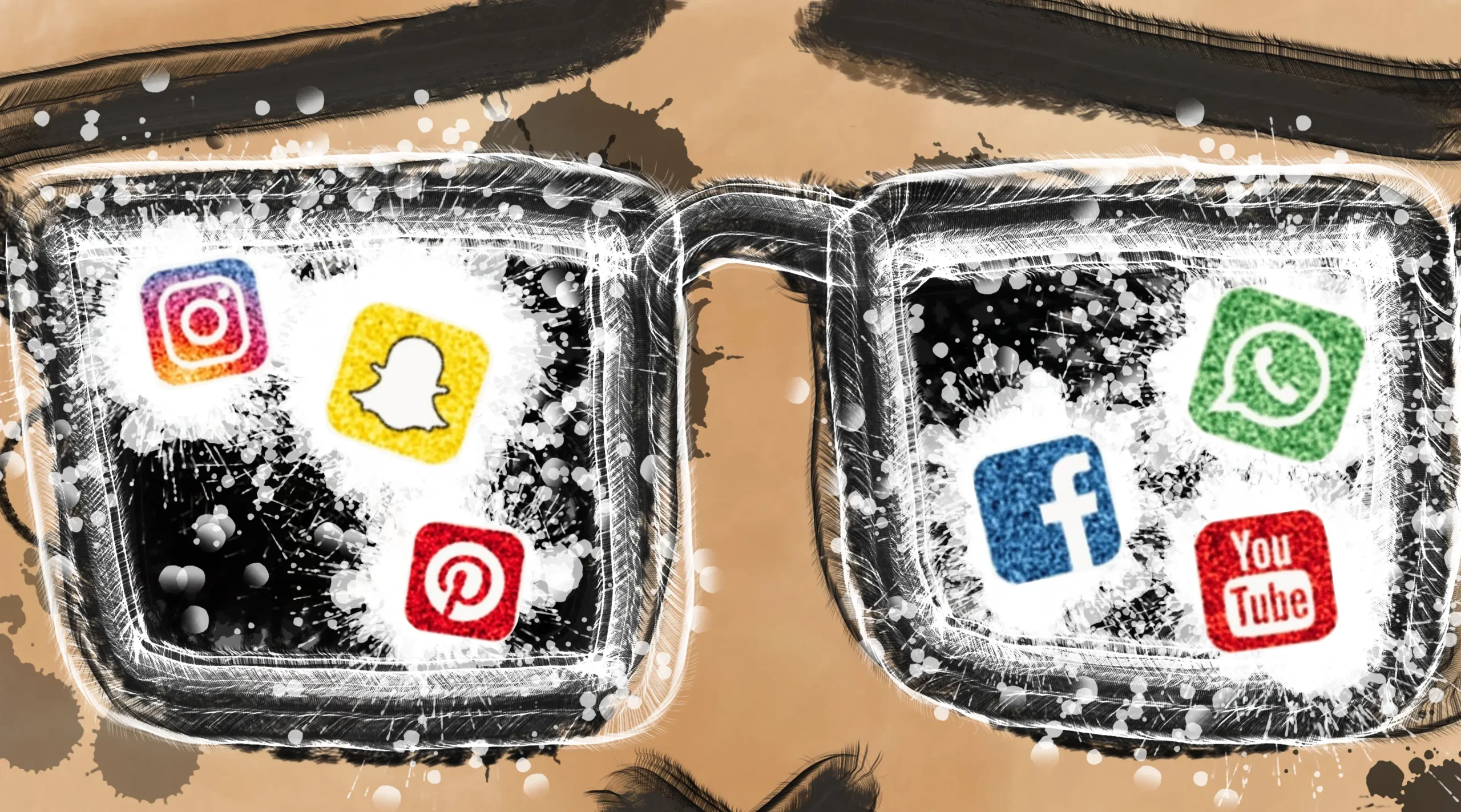
The Influence of Media on Gang Perception and Reality

saintgeorgesflushing.org – The portrayal of gangs in media has long been a subject of interest and concern, as it shapes public perception and can influence real-world behaviors and attitudes. This article explores the ways in which media influences the perception of gangs and how these portrayals align with reality, drawing insights from recent studies and analyses.

Media Portrayal of Gangs

Glorification and Misrepresentation

Research indicates that media often glorifies gang involvement, presenting it in a way that is not reflective of the actual experiences of gang members. Films and television shows frequently depict gangs as glamorous or exciting, which can attract young viewers and potentially influence their perceptions of gang life. This portrayal is problematic as it fails to highlight the negative aspects of gang involvement, such as violence, drug abuse, and legal consequences.

Negative Stereotypes

Gangs are commonly depicted in media as entirely negative entities, characterized by violence and criminality. This portrayal can contribute to societal stereotypes and stigmatization of individuals associated with gangs. However, this one-dimensional view overlooks the complex realities of gang life, which often includes community service, cultural expression, and social support.

Impact on Public Perception

Influence on Youth

The media’s portrayal of gangs can significantly influence the perceptions of young people, who may be particularly susceptible to the glamorization of gang life. This can lead to increased interest in gang involvement, as young individuals may be drawn to the perceived excitement and status associated with gang membership.

Community Perception

Media portrayals also affect how communities perceive gangs and gang members. Negative stereotypes can lead to fear and mistrust, making it difficult for law enforcement and community leaders to address gang-related issues effectively. This can exacerbate gang problems by isolating gang members from positive influences and support systems.

Reality of Gang Life

Complex Dynamics

In reality, gang life is far more complex than the media often portrays. While gangs can be involved in criminal activities, they also serve various social functions, including providing a sense of belonging, protection, and community support. The positive aspects of gang life are often overlooked in media portrayals, which focus primarily on the negative aspects.

Individual Experiences

Individual experiences within gangs can vary widely. Some members may engage in criminal activities, while others may participate in community service or cultural activities. The diversity of experiences within gangs is rarely captured in media portrayals, which tend to generalize and stereotype gang members.

Conclusion

The media plays a significant role in shaping public perceptions of gangs, often through misrepresentations and stereotypes. While media portrayals can influence the behavior and attitudes of young individuals and communities, they do not accurately reflect the complex realities of gang life. To address gang-related issues effectively, it is important to move beyond simplistic media portrayals and engage in more nuanced discussions about the multifaceted nature of gang involvement. This approach can help foster a more informed and empathetic understanding of gang life and its impact on communities.
Media and the Monarchy: The Princess and the Press

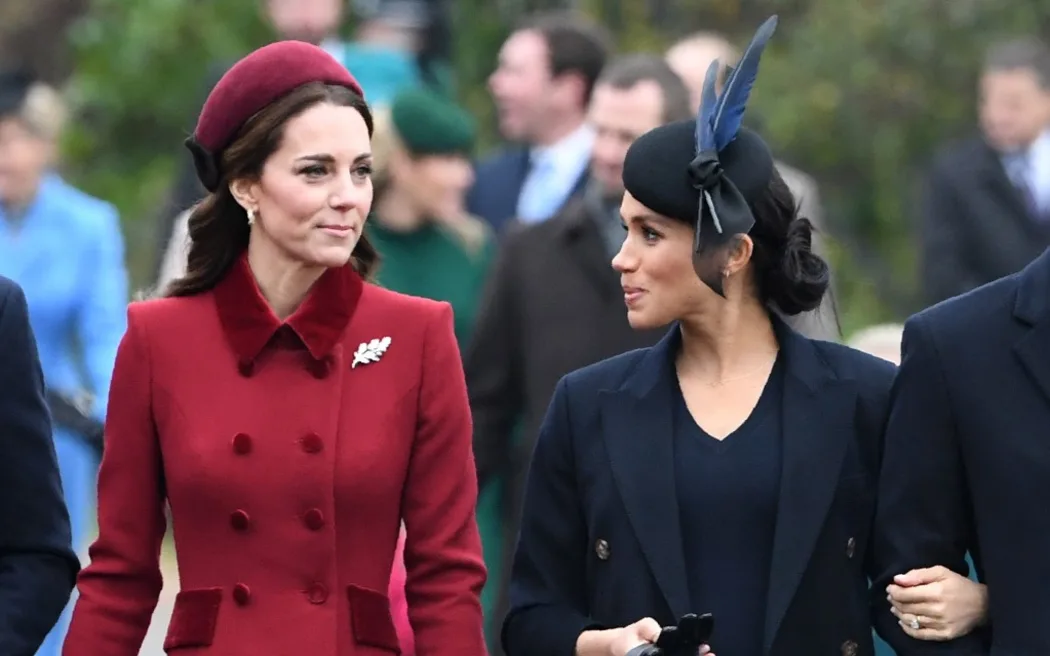
saintgeorgesflushing.org – The relationship between the British monarchy and the press has always been a complex dance of revelation and discretion, admiration and intrusion. Nowhere is this more evident than in the story of Diana, Princess of Wales, whose life and legacy were profoundly shaped by her interactions with the media. The narrative of “The Princess and the Press” is not just a tale of personal tragedy but a reflection on the evolving relationship between the royal family and the media, highlighting the power of the press to both elevate and destroy public figures.

The Rise of a Media Darling

When Lady Diana Spencer emerged from relative obscurity to become the Princess of Wales, the media was instantly captivated. Her youth, beauty, and apparent shyness made her an instant icon, and the public’s fascination with her seemed insatiable. The press played a crucial role in building her image as the “fairytale princess,” documenting her every move, from her engagement to Prince Charles to her iconic fashion choices and charity work.

The Power of the Paparazzi

However, the intense media scrutiny that Diana experienced also had a darker side. The paparazzi’s relentless pursuit of her private moments led to invasive and often distressing situations. Diana herself spoke publicly about the pressures of being constantly hounded by photographers, highlighting the impact it had on her mental health and personal life. The tragic car crash in Paris in 1997, which resulted in her death, brought the world’s attention to the dangers of the paparazzi chase, sparking debates about media ethics and the right to privacy.

A Changing Media Landscape

The digital age has further complicated the relationship between the royal family and the press. Social media has given the public unprecedented access to the lives of royals, while also providing a platform for unfiltered commentary and criticism. The monarchy has had to adapt to this new reality, using social media to shape their public image and communicate directly with the public. However, the rise of tabloid journalism and online trolling has also made it more challenging to control the narrative around royal figures.

The Legacy of Diana

Diana’s legacy is a testament to the power of the media to shape public perception. She was a master at using the press to her advantage, using her platform to raise awareness about various causes and to challenge the traditional image of a royal figure. Yet, her story also serves as a cautionary tale about the dangers of media intrusion and the need for a balance between public interest and personal privacy.

Looking Forward

The relationship between the British monarchy and the press continues to evolve. Today’s royals, including Prince William and Prince Harry, have been more vocal about the impact of media coverage on their lives, advocating for more respectful and responsible journalism. As the media landscape continues to change, the royal family’s approach to managing their public image will undoubtedly continue to adapt, reflecting the ongoing negotiation between tradition and modernity, privacy and publicity.

In conclusion, “The Princess and the Press” is a multifaceted story that reveals much about the nature of celebrity, the role of the media in shaping public figures, and the challenges of balancing public duty with personal privacy. Diana’s life and legacy continue to influence the conversation around these issues, reminding us of the profound impact that media coverage can have on individuals and institutions alike.

Revolutionizing Marketing and Media Strategies

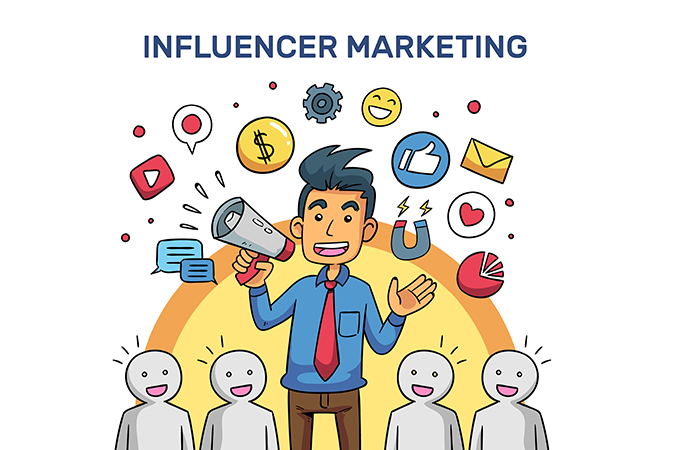
In the digital age, the landscape of marketing and media has undergone a seismic shift, with traditional advertising methods giving way to a more nuanced and interactive approach. At the forefront of this transformation is the rise of influencer marketing, a strategy that leverages the power of social media personalities to promote products, services, and brands. The Influencer Effect is not just about endorsements; it’s about building communities, fostering trust, and creating authentic connections with consumers. This article delves into how influencers are changing the game in marketing and media, and why brands are increasingly turning to them to reach their target audiences.

The Evolution of Influencer Marketing:
Influencer marketing has evolved from a niche tactic to a mainstream strategy, with its roots tracing back to celebrity endorsements. However, the advent of social media platforms like Instagram, YouTube, TikTok, and Twitter has democratized influence, allowing individuals with specialized knowledge or unique personalities to amass followings in the millions. These digital influencers, or content creators, have become tastemakers in their niches, whether it’s fashion, beauty, fitness, technology, or travel.

Authenticity and Trust:
One of the key reasons for the Influencer Effect’s potency is the authenticity that influencers bring to their content. Unlike traditional celebrities, influencers often share their daily lives with their followers, creating a sense of intimacy and relatability. This authenticity translates into trust, a commodity that is increasingly hard to earn in a world saturated with advertising. When influencers recommend a product or service, their followers are more likely to trust that recommendation, leading to higher engagement rates and conversion rates for brands.

Niche Targeting and Engagement:
Influencers specialize in specific niches, allowing brands to target highly specific demographics. This precision targeting is invaluable for brands looking to reach particular segments of the population with tailored messages. Moreover, influencers often have highly engaged communities, meaning that the content they share receives significant interaction in the form of likes, comments, and shares. This engagement is a goldmine for brands, as it provides them with invaluable insights into consumer behavior and preferences.

Content Creation and Storytelling:
Influencers are adept at creating compelling content that resonates with their audience. They understand the importance of storytelling and can weave brand narratives into their personal stories in a way that feels natural and engaging. This ability to tell stories through the lens of their personal brand is a powerful tool for brands looking to communicate their values and mission in a more humanized way.

The Role of Influencers in Media:
Influencers are not just changing the face of marketing; they are also reshaping the media landscape. Many influencers have become media personalities in their own right, hosting shows, producing content series, and even launching their own digital media platforms. This shift has led to a more diverse range of voices and perspectives in media, challenging traditional gatekeepers and democratizing content creation.

Challenges and Considerations:
Despite its effectiveness, influencer marketing is not without its challenges. Brands must navigate the complexities of influencer partnerships, including negotiating contracts, ensuring brand safety, and measuring ROI. Additionally, the rise of influencer marketing has led to concerns about authenticity, with some influencers prioritizing sponsored content over genuine engagement. Brands must be vigilant in selecting partners who align with their values and maintain transparency with their audience.

Conclusion:
The Influencer Effect is a testament to the changing dynamics of consumer behavior and the power of personal narratives in marketing and media. By leveraging the trust, engagement, and storytelling prowess of influencers, brands can create more meaningful connections with their audience. As the digital landscape continues to evolve, the role of influencers in shaping consumer opinions and driving cultural trends will only grow, making influencer marketing a cornerstone of modern marketing and media strategies.