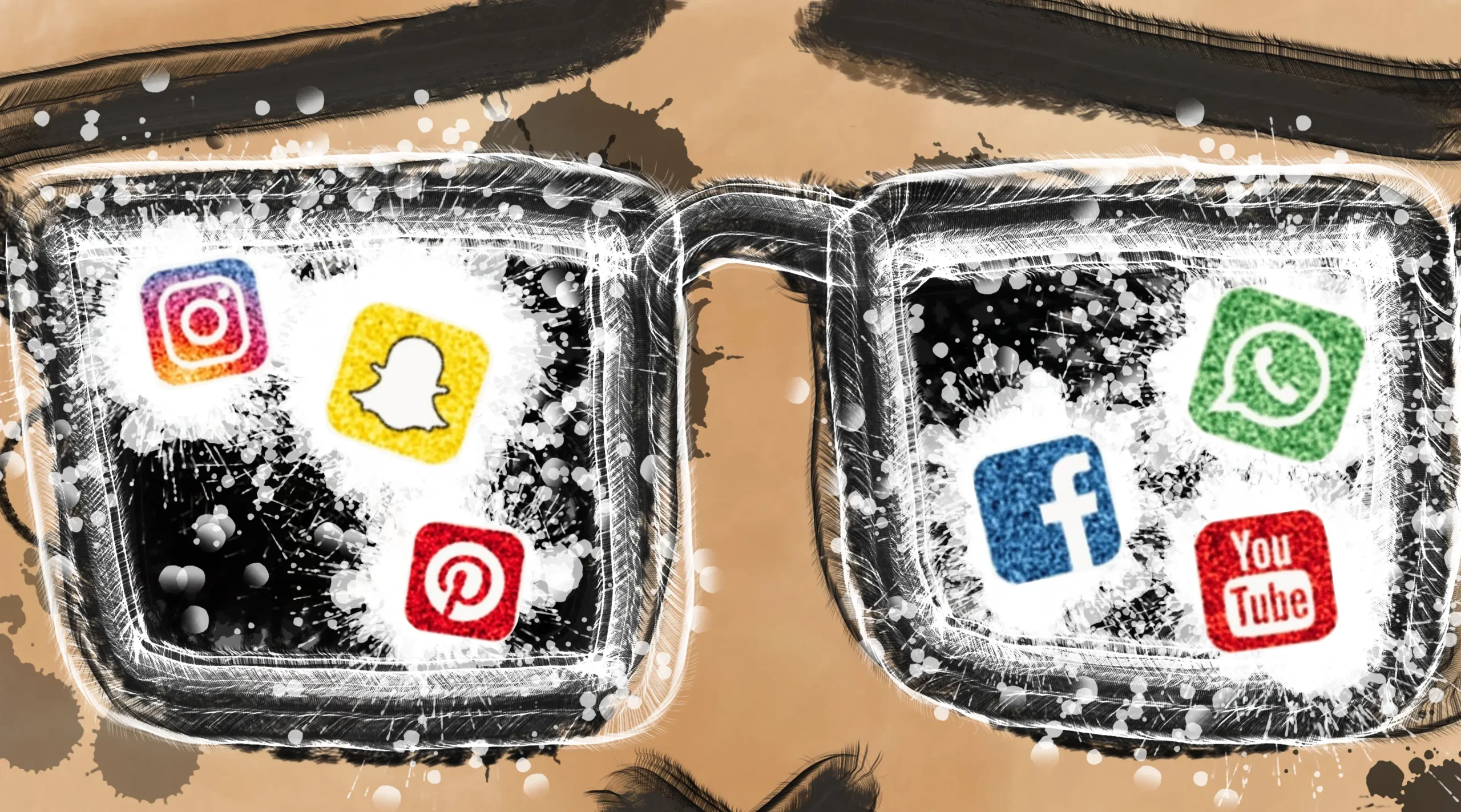
The Influence of Media on Gang Perception and Reality

saintgeorgesflushing.org – The portrayal of gangs in media has long been a subject of interest and concern, as it shapes public perception and can influence real-world behaviors and attitudes. This article explores the ways in which media influences the perception of gangs and how these portrayals align with reality, drawing insights from recent studies and analyses.

Media Portrayal of Gangs

Glorification and Misrepresentation

Research indicates that media often glorifies gang involvement, presenting it in a way that is not reflective of the actual experiences of gang members. Films and television shows frequently depict gangs as glamorous or exciting, which can attract young viewers and potentially influence their perceptions of gang life. This portrayal is problematic as it fails to highlight the negative aspects of gang involvement, such as violence, drug abuse, and legal consequences.

Negative Stereotypes

Gangs are commonly depicted in media as entirely negative entities, characterized by violence and criminality. This portrayal can contribute to societal stereotypes and stigmatization of individuals associated with gangs. However, this one-dimensional view overlooks the complex realities of gang life, which often includes community service, cultural expression, and social support.

Impact on Public Perception

Influence on Youth

The media’s portrayal of gangs can significantly influence the perceptions of young people, who may be particularly susceptible to the glamorization of gang life. This can lead to increased interest in gang involvement, as young individuals may be drawn to the perceived excitement and status associated with gang membership.

Community Perception

Media portrayals also affect how communities perceive gangs and gang members. Negative stereotypes can lead to fear and mistrust, making it difficult for law enforcement and community leaders to address gang-related issues effectively. This can exacerbate gang problems by isolating gang members from positive influences and support systems.

Reality of Gang Life

Complex Dynamics

In reality, gang life is far more complex than the media often portrays. While gangs can be involved in criminal activities, they also serve various social functions, including providing a sense of belonging, protection, and community support. The positive aspects of gang life are often overlooked in media portrayals, which focus primarily on the negative aspects.

Individual Experiences

Individual experiences within gangs can vary widely. Some members may engage in criminal activities, while others may participate in community service or cultural activities. The diversity of experiences within gangs is rarely captured in media portrayals, which tend to generalize and stereotype gang members.

Conclusion

The media plays a significant role in shaping public perceptions of gangs, often through misrepresentations and stereotypes. While media portrayals can influence the behavior and attitudes of young individuals and communities, they do not accurately reflect the complex realities of gang life. To address gang-related issues effectively, it is important to move beyond simplistic media portrayals and engage in more nuanced discussions about the multifaceted nature of gang involvement. This approach can help foster a more informed and empathetic understanding of gang life and its impact on communities.

Bridging the Digital Divide: Augmented Reality on Smartphones

saintgeorgesflushing.org – Augmented Reality (AR) on smartphones represents a significant advancement in technology that has the potential to bridge the digital divide in several ways. The digital divide refers to the gap between individuals, communities, and countries in their ability to access, use, and benefit from information and communication technologies (ICTs). Here’s how AR on smartphones can help bridge this divide:

  1. Accessibility to Technology: Smartphones are now more accessible than ever, with a wide range of prices and features. AR applications can run on many modern smartphones, making AR technology available to a broad audience, including those in developing countries or lower-income communities.
  2. Educational Opportunities: AR can enhance educational experiences by providing interactive and immersive learning. Students with access to AR-enabled smartphones can enjoy virtual field trips, interactive textbooks, and hands-on learning experiences that were previously unavailable or inaccessible.
  3. Healthcare Access: AR can be used for remote medical consultations, allowing patients in remote or underserved areas to receive care from specialists who might be located far away. This can help bridge the gap in healthcare services between urban and rural areas.
  4. Language and Cultural Barriers: AR applications can provide real-time translation and cultural context, helping to break down language barriers and facilitate communication between people from different linguistic and cultural backgrounds.
  5. Economic Empowerment: AR can be used in various industries, such as manufacturing, retail, and real estate, to improve productivity and create new business opportunities. By leveraging AR, small businesses and entrepreneurs can compete more effectively in the global marketplace.
  6. Skill Development: AR can offer training and skill development opportunities in various fields, such as engineering, design, and maintenance. This can help individuals in less developed regions acquire skills that are in demand globally.
  7. Inclusivity: AR can be designed to be accessible to people with disabilities, providing them with new ways to interact with digital content. For example, AR can offer visual aids for people with hearing impairments or audio descriptions for those with visual impairments.
  8. Cultural Preservation: AR can help preserve cultural heritage by creating digital reconstructions of historical sites and artifacts. This can be particularly beneficial for communities that may not have the resources to physically preserve their heritage.
  9. Environmental Awareness: AR can be used to educate people about environmental issues and promote sustainable practices. By visualizing environmental data in real-world contexts, AR can make complex environmental concepts more understandable and actionable.
  10. Democratization of Content Creation: AR tools can empower users to create and share their own augmented content, which can lead to a more diverse range of voices and perspectives being represented in digital media.

To fully realize these benefits, it is important to address the underlying issues that contribute to the digital divide, such as the cost of internet access, digital literacy, and the availability of relevant, culturally appropriate content. Additionally, there needs to be a concerted effort to ensure that AR technology is designed with inclusivity and accessibility in mind, so that it can truly serve as a bridge rather than a barrier.