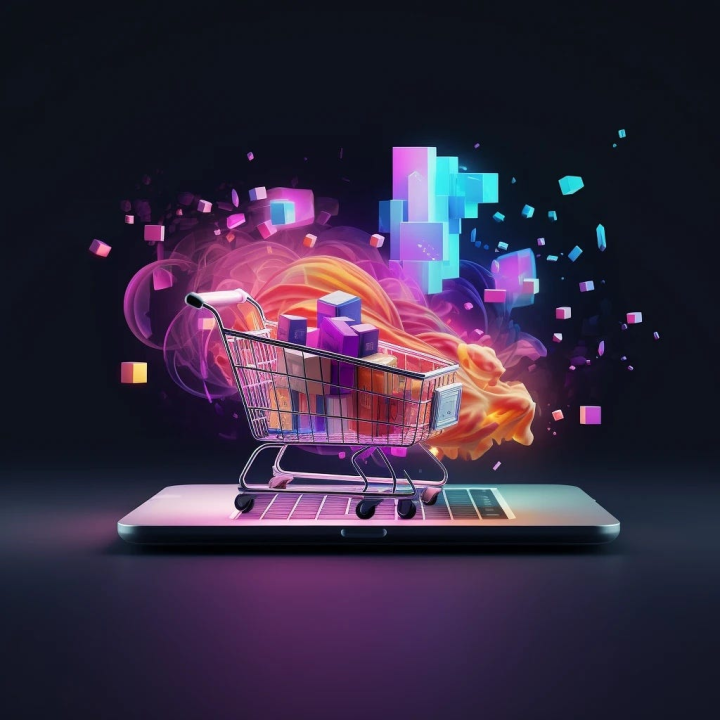
Transforming the Retail Landscape: The Rise of E-commerce

saintgeorgesflushing.org – In the past few decades, the retail industry has undergone a seismic shift, propelled by the advent and subsequent rise of e-commerce. This digital revolution has not only changed the way consumers shop but has also forced traditional brick-and-mortar retailers to adapt or risk becoming obsolete. The convenience, variety, and accessibility offered by online shopping platforms have revolutionized consumer behavior, leading to a retail landscape that is vastly different from what it was at the turn of the century.

The Dawn of Online Shopping:
The story of e-commerce began in the early 1990s with the introduction of the internet to the public. Initially, online shopping was limited to a few niche products and services, with consumers wary of the security and reliability of transactions conducted over the internet. However, with the launch of iconic online marketplaces like eBay and Amazon in the mid-90s, consumers began to embrace the idea of shopping from the comfort of their homes.

The Growth of E-commerce:
As internet access became more widespread and technology advanced, e-commerce grew exponentially. The early 2000s saw the emergence of specialized online retailers catering to various niches, from books and electronics to fashion and groceries. The proliferation of smartphones and mobile internet further fueled the growth of e-commerce, making online shopping accessible to a broader audience.

The Impact on Traditional Retail:
The rise of e-commerce has had a profound impact on traditional retail. Many brick-and-mortar stores have struggled to compete with the convenience and pricing offered by online retailers. As a result, there has been a significant decline in foot traffic to shopping malls and high streets, leading to store closures and bankruptcies. Retailers that have managed to survive have had to innovate, integrating online sales channels and offering services like click-and-collect to blend the digital and physical shopping experiences.

The Benefits of E-commerce:
E-commerce has brought numerous benefits to consumers. The ability to shop 24/7, compare prices easily, and access a vast array of products from around the world has empowered consumers like never before. Additionally, the convenience of home delivery and the ease of returns have made online shopping a preferred option for many.

Challenges and Opportunities:
Despite its benefits, e-commerce also presents challenges, such as the environmental impact of increased packaging and delivery vehicles, as well as concerns over data privacy and security. However, these challenges also represent opportunities for innovation, with companies exploring sustainable packaging solutions and investing in cybersecurity.

The Future of Retail:
Looking ahead, the retail landscape is likely to continue evolving, with e-commerce playing an ever-more significant role. The integration of technologies like augmented reality (AR) and artificial intelligence (AI) could further enhance the online shopping experience, while the growth of omnichannel retail will blur the lines between online and offline shopping.

Conclusion:
The rise of e-commerce has transformed the retail landscape in ways that were unimaginable just a few decades ago. While it has brought challenges to traditional retailers, it has also created opportunities for innovation and growth. As consumers continue to embrace the convenience and variety of online shopping, e-commerce is set to remain a dominant force in the retail industry, shaping the future of how we shop.
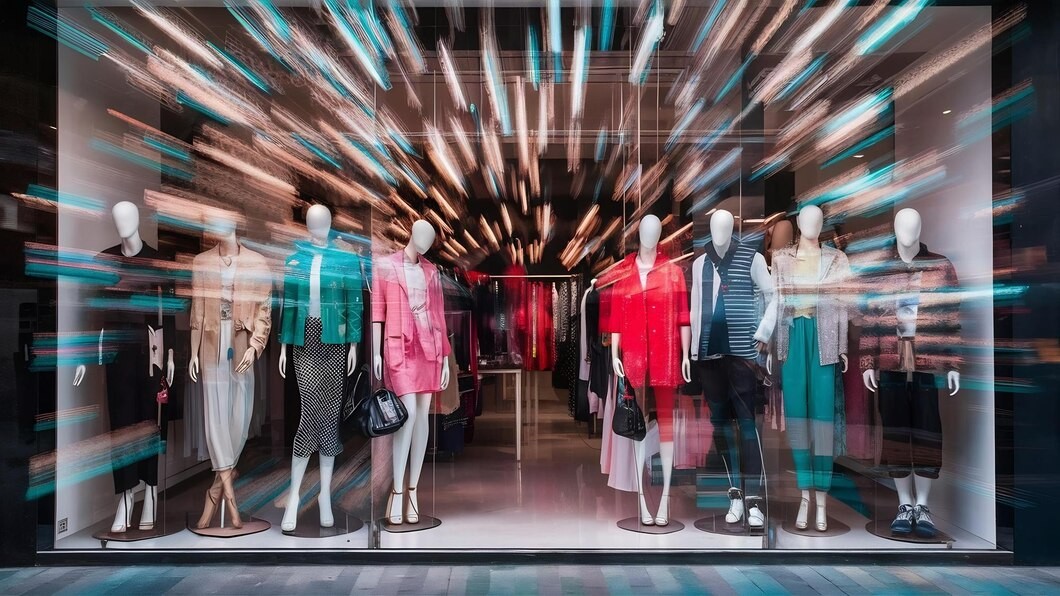
Decade of Rapid Retail Revolution: The Rise of Fast Fashion

saintgeorgesflushing.org – Over the past decade, the fashion industry has undergone a seismic shift, propelled by the meteoric rise of fast fashion. This retail revolution has transformed the way we shop, dress, and perceive clothing, offering trendy styles at affordable prices with unprecedented speed. The allure of fast fashion has captivated consumers worldwide, but its rapid ascent has also sparked debates about sustainability, labor practices, and the environmental impact of this industry. This article delves into the rise of fast fashion, examining its evolution, impact, and the challenges it faces in the coming years.

The Dawn of Fast Fashion:
Fast fashion emerged in the early 2000s, with brands like Zara, H&M, and Forever 21 leading the charge. These retailers pioneered a business model that could take runway trends and turn them into affordable garments available in stores within weeks. This was a stark contrast to the traditional fashion cycle, which operated on a seasonal basis, with designs taking months to reach consumers.

The Business Model:
The fast fashion business model is built on quick turnover, with new stock arriving in stores every few weeks. This constant influx of new styles keeps consumers coming back for more, driven by the fear of missing out (FOMO) on the latest trends. Brands achieve this rapid cycle through vertical integration, controlling the design, production, and distribution processes to minimize lead times. They also rely on data analytics to predict trends and consumer preferences, ensuring that the clothes on the racks are what shoppers are most likely to buy.

The Impact on Consumers:
Fast fashion democratized style, making fashionable clothing accessible to a broader demographic. It allowed consumers to participate in fashion trends without breaking the bank, fostering a culture of consumption where buying new clothes became a regular habit rather than a special occasion. Social media has further fueled this trend, with influencers and celebrities showcasing new outfits daily, driving demand for the latest styles.

The Dark Side of Fast Fashion:
However, the rise of fast fashion has not been without its consequences. The industry has been criticized for its environmental impact, from the pollution caused by textile dyeing and treatment to the mountains of waste generated by rapidly discarded garments. Additionally, the relentless pursuit of low prices has led to allegations of poor labor practices, with reports of workers in developing countries facing low wages, long hours, and unsafe working conditions.

The Sustainability Movement:
In response to these criticisms, there has been a growing movement towards sustainability within the fashion industry. Consumers are becoming more conscious of the environmental and ethical implications of their clothing choices, leading to a demand for sustainable and ethically produced fashion. Brands are starting to adapt by introducing more sustainable materials, reducing waste in production, and improving labor practices.

The Future of Fast Fashion:
As the industry moves forward, fast fashion brands will need to navigate the tension between the demand for constant novelty and the need for sustainable practices. Some predict that technology, such as 3D printing and digital fashion, could offer a bridge between fast fashion and sustainability, reducing waste and allowing for customization without the need for mass production.

Conclusion:
The rise of fast fashion has been a decade-long retail revolution that has reshaped the fashion landscape. While it has brought fashion to the masses and fueled a culture of instant gratification, it has also raised important questions about the true cost of our clothing. As the industry evolves, the challenge will be to balance the desire for trendy, affordable fashion with the imperative to protect the planet and ensure fair labor practices. The next decade will be crucial in determining whether fast fashion can adapt to these challenges and continue its rapid retail revolution in a more sustainable way.

The Future of Retail: The Convenience Revolution

In the digital age, the way we shop has undergone a profound transformation. The rise of the internet and the subsequent development of e-commerce platforms have ushered in what can be termed as the “Convenience Revolution.” This revolution has not only changed consumer behavior but has also forced traditional retail to adapt or perish. The future of retail is being shaped by the convenience that online shopping offers, and this trend shows no signs of slowing down.

The Dawn of Online Shopping

The convenience revolution began with the advent of online shopping. No longer did consumers have to travel to physical stores, endure long lines, or face the disappointment of stock shortages. With a few clicks, shoppers could browse through a vast array of products, compare prices, and have their purchases delivered right to their doorsteps. The allure of 24/7 shopping, personalized recommendations, and easy returns has made online shopping a preferred choice for many.

The Impact on Traditional Retail

The convenience revolution has had a significant impact on traditional retail. Brick-and-mortar stores have had to contend with declining foot traffic and sales as consumers increasingly turn to online shopping. In response, many retailers have been forced to close down physical locations or reimagine their in-store experiences to offer something that online shopping cannot. This has led to the rise of experiential retail, where stores focus on creating immersive and engaging environments that encourage customers to visit and shop in person.

The Evolution of E-commerce

As online shopping has become more prevalent, e-commerce platforms have continued to evolve to meet consumer demands. Features such as same-day delivery, subscription services, and virtual try-ons have become standard. The integration of artificial intelligence and machine learning has also allowed for more personalized shopping experiences, with algorithms predicting and suggesting products based on individual shopping habits and preferences.

The Role of Mobile Commerce

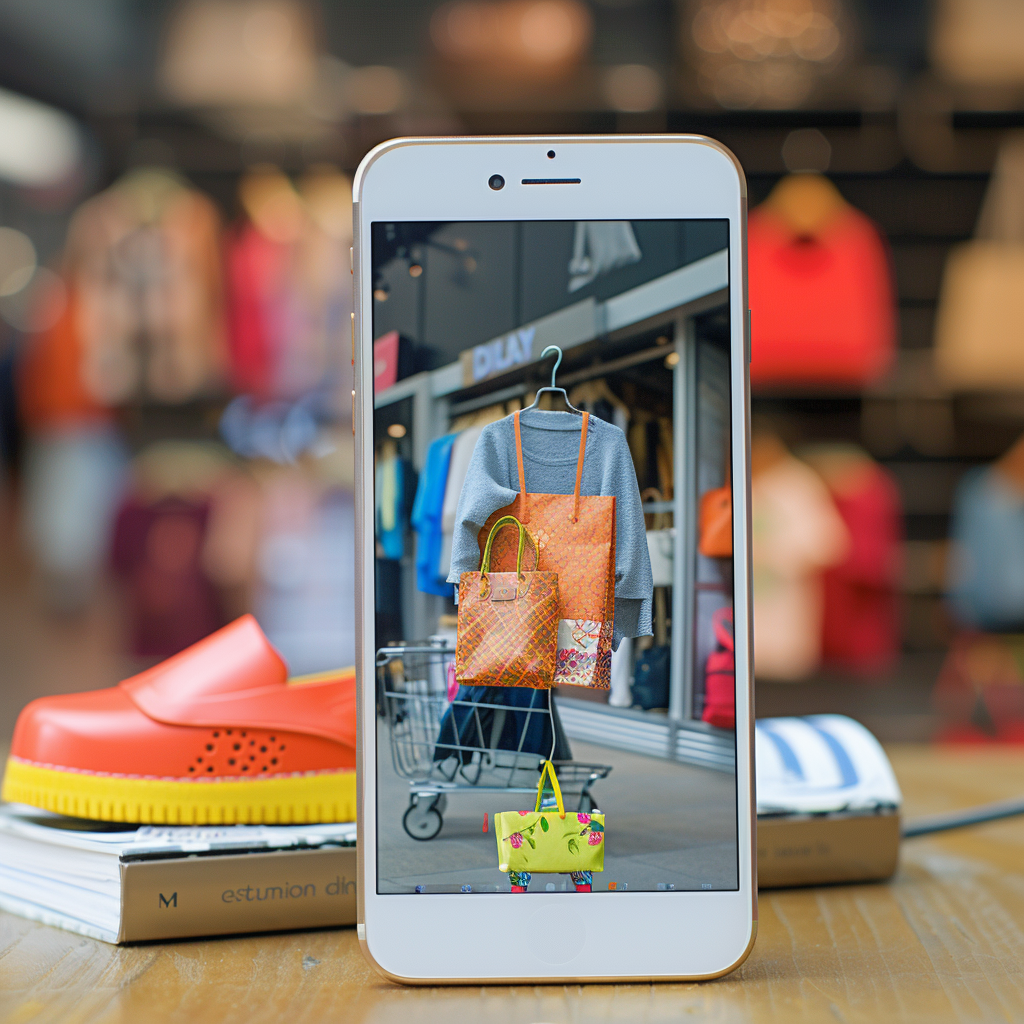
The convenience revolution has also been propelled by the rise of mobile commerce, or m-commerce. With smartphones becoming ubiquitous, consumers can now shop anytime and anywhere. Mobile apps have made it even easier to browse, purchase, and track orders, further enhancing the convenience of online shopping.

The Future of Retail

Looking ahead, the future of retail will likely be a blend of online and offline experiences. Physical stores will continue to exist but will serve more as showrooms or experience centers rather than traditional retail outlets. The convenience of online shopping will remain a driving force, but there will also be a growing emphasis on sustainability, community, and personalization. Retailers that can successfully merge the convenience of online shopping with the tactile and social aspects of in-store shopping will be well-positioned for success.

Conclusion

The convenience revolution has fundamentally altered the retail landscape, with online shopping emerging as a dominant force. As technology continues to advance, the future of retail will be characterized by innovation, adaptation, and a seamless integration of digital and physical shopping experiences. Consumers will continue to demand convenience, but they will also seek out retailers that offer unique, personalized, and sustainable shopping experiences. The retailers that can deliver on these fronts will thrive in the ever-evolving world of retail.