
The Transformative Decade of Angelina Jolie

saintgeorgesflushing.org – Over the past decade, Angelina Jolie has not only solidified her status as a leading actress in Hollywood but has also emerged as a powerful advocate for humanitarian causes, a director, and a producer. Her journey is a testament to the transformative power of using one’s platform for greater good, showcasing resilience, and redefining the role of a celebrity in the modern world.

From Actress to Activist: The Evolution of Angelina Jolie

Angelina Jolie’s transformative decade began with her already established career as an actress, known for her roles in films like “Girl, Interrupted” and “Mr. & Mrs. Smith.” However, the 2010s marked a significant shift in her focus, moving from the silver screen to the global stage as a humanitarian. Her involvement with the United Nations High Commissioner for Refugees (UNHCR) deepened, leading to her appointment as a Special Envoy in 2012. This role allowed her to advocate for refugees and displaced people worldwide, bringing attention to crises in Syria, Afghanistan, and Yemen, among others.

Breaking Barriers in Filmmaking

While her humanitarian efforts took center stage, Jolie also embarked on a new chapter in her career: filmmaking. She directed and wrote “In the Land of Blood and Honey” (2011), a film set against the backdrop of the Bosnian War, showcasing her ability to tackle complex and sensitive subjects. This was followed by “Unbroken” (2014), a biographical war film, and “First They Killed My Father” (2017), a Netflix original based on the Khmer Rouge regime in Cambodia. Through these projects, Jolie has used her directorial voice to shed light on historical atrocities and the resilience of the human spirit.

Personal Challenges and Public Strength

The past decade was not without personal challenges for Jolie. Her divorce from Brad Pitt in 2016 and her public battle with cancer, including a preventive double mastectomy in 2013 and surgery to remove her ovaries and fallopian tubes in 2015, were faced with grace and openness. Jolie’s decision to share her experiences publicly has raised awareness about breast and ovarian cancer, encouraging other women to seek genetic testing and consider their options.

Philanthropy and Advocacy: A Legacy in the Making

Jolie’s advocacy extends beyond refugee crises and women’s health. She has been a vocal supporter of education for girls, women’s rights, and conservation efforts. The establishment of the Maddox Jolie-Pitt Foundation, which focuses on conservation in Cambodia, and her work with the Education Partnership for a Regularized Afghanistan (EPRA) are just a few examples of her commitment to making a lasting impact.

Conclusion

The transformative decade of Angelina Jolie is a story of evolution, from a celebrated actress to a global humanitarian, filmmaker, and advocate. Her journey reflects a deep commitment to using her platform for positive change, breaking barriers, and inspiring others to do the same. As she continues to navigate her career and humanitarian efforts, Angelina Jolie’s legacy is one of empowerment, resilience, and a relentless pursuit of a better world.
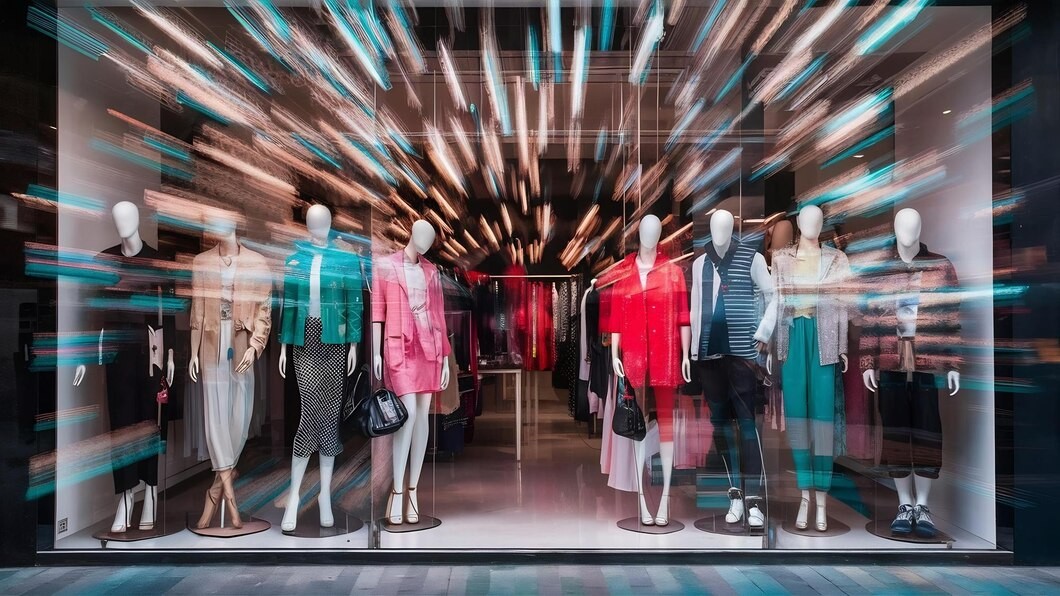
Decade of Rapid Retail Revolution: The Rise of Fast Fashion

saintgeorgesflushing.org – Over the past decade, the fashion industry has undergone a seismic shift, propelled by the meteoric rise of fast fashion. This retail revolution has transformed the way we shop, dress, and perceive clothing, offering trendy styles at affordable prices with unprecedented speed. The allure of fast fashion has captivated consumers worldwide, but its rapid ascent has also sparked debates about sustainability, labor practices, and the environmental impact of this industry. This article delves into the rise of fast fashion, examining its evolution, impact, and the challenges it faces in the coming years.

The Dawn of Fast Fashion:
Fast fashion emerged in the early 2000s, with brands like Zara, H&M, and Forever 21 leading the charge. These retailers pioneered a business model that could take runway trends and turn them into affordable garments available in stores within weeks. This was a stark contrast to the traditional fashion cycle, which operated on a seasonal basis, with designs taking months to reach consumers.

The Business Model:
The fast fashion business model is built on quick turnover, with new stock arriving in stores every few weeks. This constant influx of new styles keeps consumers coming back for more, driven by the fear of missing out (FOMO) on the latest trends. Brands achieve this rapid cycle through vertical integration, controlling the design, production, and distribution processes to minimize lead times. They also rely on data analytics to predict trends and consumer preferences, ensuring that the clothes on the racks are what shoppers are most likely to buy.

The Impact on Consumers:
Fast fashion democratized style, making fashionable clothing accessible to a broader demographic. It allowed consumers to participate in fashion trends without breaking the bank, fostering a culture of consumption where buying new clothes became a regular habit rather than a special occasion. Social media has further fueled this trend, with influencers and celebrities showcasing new outfits daily, driving demand for the latest styles.

The Dark Side of Fast Fashion:
However, the rise of fast fashion has not been without its consequences. The industry has been criticized for its environmental impact, from the pollution caused by textile dyeing and treatment to the mountains of waste generated by rapidly discarded garments. Additionally, the relentless pursuit of low prices has led to allegations of poor labor practices, with reports of workers in developing countries facing low wages, long hours, and unsafe working conditions.

The Sustainability Movement:
In response to these criticisms, there has been a growing movement towards sustainability within the fashion industry. Consumers are becoming more conscious of the environmental and ethical implications of their clothing choices, leading to a demand for sustainable and ethically produced fashion. Brands are starting to adapt by introducing more sustainable materials, reducing waste in production, and improving labor practices.

The Future of Fast Fashion:
As the industry moves forward, fast fashion brands will need to navigate the tension between the demand for constant novelty and the need for sustainable practices. Some predict that technology, such as 3D printing and digital fashion, could offer a bridge between fast fashion and sustainability, reducing waste and allowing for customization without the need for mass production.

Conclusion:
The rise of fast fashion has been a decade-long retail revolution that has reshaped the fashion landscape. While it has brought fashion to the masses and fueled a culture of instant gratification, it has also raised important questions about the true cost of our clothing. As the industry evolves, the challenge will be to balance the desire for trendy, affordable fashion with the imperative to protect the planet and ensure fair labor practices. The next decade will be crucial in determining whether fast fashion can adapt to these challenges and continue its rapid retail revolution in a more sustainable way.