
The Islands of Bula Spirit: Fiji

saintgeorgesflushing.org – Nestled in the heart of the South Pacific, Fiji is a tropical paradise that beckons travelers from around the globe with its azure waters, lush landscapes, and the warmth of its people. The archipelago, comprising over 300 islands and islets, is renowned not just for its natural beauty but also for the unique cultural heritage that permeates every aspect of Fijian life. This is the land where the “Bula Spirit” thrives, a term that encapsulates the essence of Fijian hospitality, friendliness, and the joy of living.

The Bula Greeting: More Than Just a Hello

At the heart of Fijian culture is the “Bula” greeting, a word that is synonymous with Fiji itself. “Bula” means “life” or “hello” in the Fijian language, and it is more than just a simple greeting; it’s an expression of the Fijian way of life, a testament to the warmth and hospitality that visitors experience from the moment they arrive. This spirit of Bula is not just a word but a way of living that Fijians extend to everyone they meet, making visitors feel at home and part of the community.

The Islands: A Natural Paradise

Fiji’s islands are a naturalist’s dream, offering a diverse range of landscapes from the rugged peaks of the interior to the pristine beaches that fringe the coast. The waters around Fiji are equally enchanting, teeming with marine life and offering some of the world’s best diving and snorkeling sites. The Great Astrolabe Reef, one of the largest barrier reefs in the world, is a haven for divers, while the soft coral capital of the world, the Rainbow Reef, is a kaleidoscope of colors and marine life.

Cultural Richness: A Tapestry of Traditions

The cultural richness of Fiji is as diverse as its landscapes. The indigenous Fijian culture, with its strong traditions and customs, is complemented by the influences of Indian, Chinese, and European settlers. This blend of cultures is evident in the food, music, dance, and festivals that are celebrated throughout the year. The fire-walking ceremony, a traditional practice among the Sawau people, is a testament to the spiritual beliefs and the strong community bonds that characterize Fijian society.

Sustainable Tourism: Preserving the Bula Spirit

As Fiji continues to grow as a tourist destination, there is a strong emphasis on sustainable tourism practices that ensure the preservation of the environment and the cultural heritage of the islands. Eco-friendly resorts, community-based tourism projects, and conservation efforts are at the forefront of maintaining the delicate balance between development and preservation. This approach not only protects the natural beauty of Fiji but also ensures that the Bula Spirit remains intact for future generations.

Conclusion: The Essence of Fiji

Fiji is more than just a destination; it’s an experience that touches the soul. The Bula Spirit is the essence of Fiji, a warm embrace that makes every visitor feel at home. Whether it’s the natural beauty of the islands, the rich cultural tapestry, or the genuine hospitality of its people, Fiji offers a unique blend of experiences that leave a lasting impression. As you explore the islands of Fiji, you’ll discover not just a paradise on earth but a place where the spirit of Bula lives on, inviting you to live, laugh, and love like a Fijian.
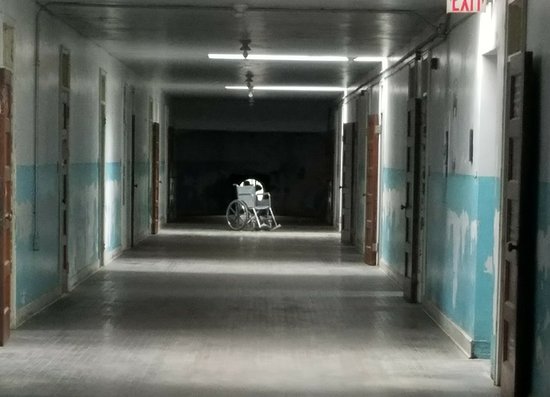
A Haunted Hospital History: Spirits of the Asylum

saintgeorgesflushing.org – In the shadowy corners of abandoned asylums, the walls whisper tales of despair, hope, and the unexplainable. These once-bustling institutions, now relics of a bygone era, are steeped in history and often shrouded in mystery. The spirits of the asylum, both metaphorical and literal, continue to haunt these hallowed halls, reminding us of the lives that were irrevocably changed within their confines. This article delves into the haunted hospital history of such asylums, exploring the stories and spirits that linger long after the patients and staff have departed.

The Rise and Fall of Asylums

Asylums, or psychiatric hospitals, were once considered beacons of hope for those suffering from mental illness. The 19th and early 20th centuries saw the proliferation of these institutions, which were established with the intention of providing care and treatment to those in need. However, overcrowding, lack of funding, and outdated treatment methods led to conditions that were often more horrifying than healing. The advent of new psychiatric drugs and the deinstitutionalization movement in the mid-20th century led to the closure of many asylums, leaving behind empty buildings filled with memories and, some say, spirits.

The Spirits of the Asylum

The idea that asylums are haunted is not a new one. Many believe that the intense emotions and traumatic experiences endured by patients and staff have left an indelible mark on these places, making them hotbeds for paranormal activity. Reports of ghostly apparitions, unexplained voices, and eerie sensations are common among those who dare to explore these abandoned buildings.

The Patients

The most commonly reported spirits are those of former patients. It is believed that the souls of those who suffered greatly or died within the asylum walls are unable to find peace, tethered to the earth by their unresolved pain and sorrow. Visitors and paranormal investigators often speak of feeling a deep sense of sadness or hearing whispers and cries echoing through the empty corridors.

The Staff

Not all spirits are of the patients; some believe that the souls of staff members also linger. These could be nurses, doctors, or orderlies who dedicated their lives to the care of the patients, or perhaps those who harbor guilt over the treatments they administered. The sound of footsteps, the clanging of keys, or the echo of a stern voice commanding order are often attributed to the spirits of former staff.

Paranormal Investigations

Paranormal investigators are drawn to abandoned asylums for the wealth of activity reported within their walls. Using a variety of tools such as EMF meters, spirit boxes, and thermal cameras, these explorers seek to communicate with the spirits and uncover the truth behind the hauntings. Many investigations have yielded compelling evidence, including EVP (Electronic Voice Phenomena) recordings and visual apparitions, which seem to confirm the presence of otherworldly entities.

The Human Element

While the paranormal aspect of asylums is fascinating, it is important to remember the human element behind these stories. The history of psychiatric treatment is fraught with controversy, and the conditions within asylums were often deplorable. The spirits that are said to haunt these places are a reminder of the real suffering endured by those who were society’s most vulnerable.

Conclusion

The spirits of the asylum, whether literal or symbolic, serve as a haunting reminder of the past. These abandoned hospitals are not just buildings; they are time capsules filled with the echoes of countless lives. As we explore their history and the paranormal phenomena associated with them, we must also reflect on the lessons they offer about compassion, treatment, and the value of human life. Spirits of the Asylum: A Haunted Hospital History is not just a tale of ghosts and goosebumps; it is a narrative of humanity, loss, and the search for understanding.